Treatment Planning
Taking blood thinners and need a tooth removed? What to tell your dentist
Taking blood thinners and need a tooth out? Learn what to tell your dentist, what to gather and who to ask about your medicine, with Dapto Dentists.
27 October 2026
By Dr Beena Kurian, Principal Dentist
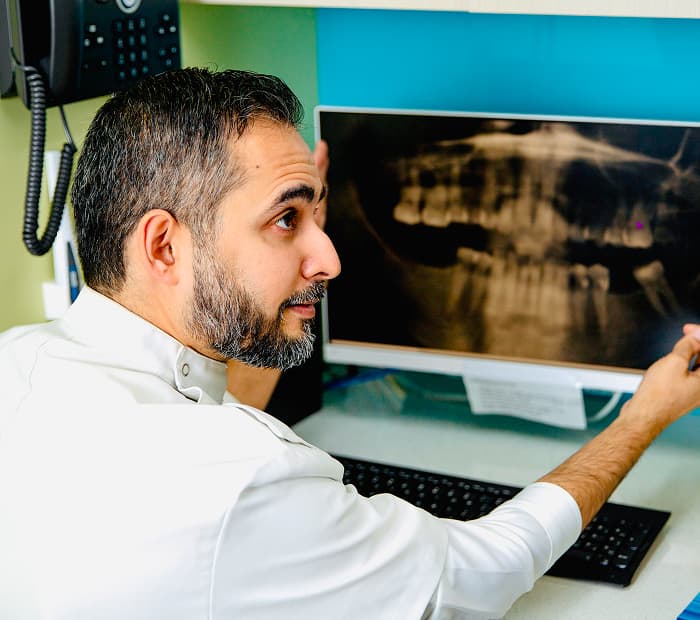
Your dentist has said a tooth may need to come out, and you take a blood thinner. It is fair to wonder whether that changes anything, and what to do about your tablets before the appointment.
The short answer
Tell the dental team which blood thinner you take. Healthdirect says not to stop it or change how you take it without talking to your doctor first. Dapto Dentists asks for your health history and medicines so we can prepare your appointment. Your prescribing doctor is the person to ask about your own medicines. (Published guidance; Clinic preparation)
What counts as a blood thinner, and why the exact name matters
"Blood thinner" is an everyday name, not one medicine. Doctors prescribe several types for different reasons, and many people know theirs only as "my heart tablet" or "my blood tablet". The healthdirect Blood thinners page says your doctor's decision about your medicine depends on the type of blood thinner, your medical history and the procedure.
That is why the exact name matters. The words "blood thinner" alone tell your dentist very little. With the name in hand, your doctor and your dentist can work from the same facts.
Healthdirect covers the dental step in its Medical procedures and operations section:
"You should also let your dentist know which medicine you are taking."
Healthdirect Australia, Blood thinners, Medical procedures and operations section (reviewed February 2026; checked 27 October 2026)
Healthdirect advises telling your healthcare team when you book. Our suggestion is to mention it when you book, so the team can plan from the start. The page also says not to stop taking the medicine or change how you take it without talking to your doctor first. That line matters most in this article.
Which details to gather before an extraction assessment
You do not need medical language, only accurate information. Our contact page says relevant health history, medicines, previous dental care and health-fund details can help us prepare. Use this list before you phone or arrive:
- Medicine name and dose, as written on the packet or pharmacy label
- Why it was prescribed, and how to contact the prescriber
- Your other prescription medicines, non-prescription medicines and supplements
- Any relevant bleeding history, and recent test results if your doctor has already given them to you
- The tooth or symptoms that prompted the appointment
- A request for a written contact and aftercare plan
If you are unsure of a name, bring the packet or a clear photo of the label. A pharmacist can also help you write an accurate list. If a family member helps with your medicines, ask them to come along or send the list.
Who to ask about your medicine plan
Two sets of knowledge matter here. Your prescribing doctor knows why you take the medicine and the rest of your health. Your dentist knows the tooth, the gums and what an extraction involves. For questions about your own medicines, ask your prescribing doctor.
The table shows what to tell us and who can confirm each item.
| What to tell the team | Who can confirm it |
|---|---|
| Medicine name and dose | Your packet or pharmacy label, and your prescribing doctor |
| Why you take it | Your prescribing doctor |
| Whether your medicine needs any attention before the extraction | Your prescribing doctor |
| Other medicines and supplements | Your pharmacist or doctor can help you list them |
| Recent test results, if your doctor arranged any | Your doctor |
| The tooth, symptoms and any X-rays | Your dentist, after examination |
| Aftercare steps and who to call | Your dentist, in writing if you ask |
You will find no doses, test targets or timetables here. Those belong in a conversation with your own doctor.
A sentence you can say at your doctor's rooms: "I may need a tooth removed. Can you let my dentist know if my medicine needs any planning, and how can we reach each other?"
Tests and bleeding control: questions, not home instructions
Healthdirect's tooth extraction page says assessment before an extraction includes the tooth, the gums and your medical history, and that imaging can be needed. It also says extraction can involve bleeding and that you need individual aftercare instructions. Healthdirect lists pain, swelling, infection, bleeding and short-term numbness among possible complications; ask your dentist about the risks and alternatives for your tooth.
If you take a blood thinner, you can ask whether any tests are needed first, and whether your dentist plans particular steps to help manage bleeding. Those are clinical questions for your dentist and your doctor to answer after assessment.
Articles written for clinicians sometimes carry numeric targets and step-by-step protocols. If a figure catches your eye, take it to your doctor as a question rather than an instruction.
How Dapto Dentists assesses wisdom-tooth concerns and health history
Many extraction questions start with a wisdom tooth. Our wisdom tooth removal page says wisdom teeth can be assessed for pain, infection, crowding, decay or impaction. Our check-up and clean page says your dentist can examine your teeth and gums, discuss home care and explain whether X-rays or fluoride are clinically appropriate for you.
If you take a blood thinner, bring your medicines list to that visit and tell the dentist about it. We ask for health history and medicines so we can prepare, and your prescriber's contact details help if your dentist needs to speak with them.
We cannot say before an assessment whether a particular tooth can be removed, or when. Suitability varies from person to person.
If your concern is gums that bleed when you floss, read our separate article, Gums Bleed When You Floss.
Questions to ask before treatment and before you go home
Bring these to the appointment and write the answers on your medicines list. If you feel nervous, ask a family member or friend to come along and take notes.
- Does my medicine need to be discussed with my prescribing doctor before the extraction, and who will make that contact?
- Do I need any tests first, and who arranges them?
- What will you do to help manage bleeding during and after the appointment?
- Are there alternatives to removing this tooth, and what are the trade-offs?
- What should I expect at home on the first day, and what is expected bleeding compared with a reason to call?
- Who should I ring with a question about my medicines after the procedure?
- Which number do I call if bleeding continues?
Ask for the aftercare plan in writing. When you are numb or tired, a written plan is easier to follow than one remembered.
Bleeding that needs urgent help
Healthdirect says bleeding that does not stop, or that lasts a long time, needs urgent medical assessment. Do not wait to see whether it settles.
- Phone the clinic. Our contact page says that for urgent symptoms, calling the clinic is usually the quickest way to discuss what is happening.
- If you cannot reach us, or you feel unwell, seek urgent medical care, such as an emergency department.
- Do not skip, add or adjust a dose to try to stop bleeding. Talk to your prescriber or the emergency team about your medicine.
Some bleeding comes with having a tooth removed, which is why question 5 above is worth asking.
When to contact us
To book an assessment, call 02 4288 0737. We are at 35 Baan Baan Street, Dapto NSW 2530, and our contact page has directions.
When you call, you can say: "I take a blood thinner and I'd like an appointment to have a tooth assessed. I will bring my medicines list." If you have urgent symptoms, say so at the start of the call.
Frequently asked questions
Do I need to tell my dentist I'm on blood thinners?
Yes. Healthdirect advises letting your dentist know which medicine you are taking. Our suggestion is to say so when you book, then again at the appointment, and to bring the packet or pharmacy label so the name and dose are exact.
Can you have a tooth extracted while taking blood thinners?
It depends on your medicine, your health history and the tooth involved, so we cannot answer it without an assessment. Tell us which blood thinner you take when you book. Ask your prescribing doctor about your medicine, and do not stop it or change how you take it yourself.
How long must you be off blood thinners before surgery?
This article gives no timetable, and it does not say you need to stop. Whether any change to your medicine is needed is a question for your prescribing doctor. Healthdirect says not to stop taking a blood thinner or change how you take it without talking to your doctor first.
What medicines should be stopped before a tooth extraction?
This article does not list medicines to stop. Ask your prescribing doctor about your own medicines. Give us a full list, including non-prescription medicines and supplements, so your dentist and doctor can work from the same information.
Sources and scope
- Blood thinners, healthdirect Australia, checked 27 October 2026
- Tooth extraction, healthdirect Australia, checked 26 October 2026
- Contact us, Dapto Dentists, checked 26 October 2026
- Wisdom tooth removal, Dapto Dentists, checked 26 October 2026
- Check-up and clean, Dapto Dentists, checked 26 October 2026
This is general published guidance and general information about our clinic, not personal dental or medical advice. Your own plan depends on your medicine, your health and an assessment of your tooth.
Written by Dr Beena Kurian, Principal Dentist at Dapto Dentists.