Traditional Braces
A fixed option for tooth movement
Traditional braces use fixed brackets and wires to move teeth and adjust bite over time, including for some more complex movements.
A $50 refundable deposit confirms the complimentary consultation and is refunded when you attend. The 24-hour cancellation policy still applies.
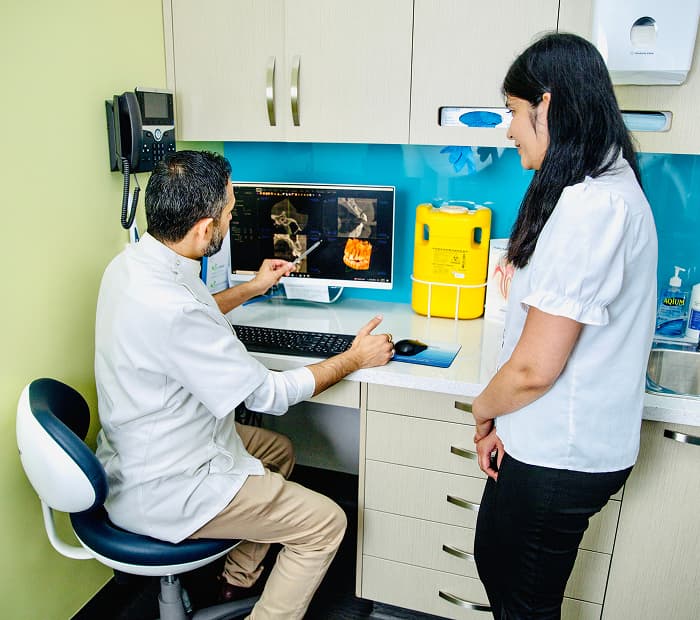
Traditional Braces
Traditional Braces Are a Time-Tested Orthodontic Option
Traditional braces have been used for decades to guide tooth alignment and address crowding, spacing and bite irregularities. They are often chosen when detailed or gradual tooth movement is required.
Brackets and wires apply steady pressure. Regular adjustments, careful oral hygiene and retainers after treatment are important practical topics. Clear aligners may be an alternative for some people.
When braces may be worth discussing
- Moderate to Severe Misalignment: Patients with crowding, spacing, or rotated teeth often benefit from traditional braces. This orthodontic option offers controlled movement and precise adjustment over an extended treatment period.
- Complex Bite Issues: Traditional braces are often recommended for issues like overbites, underbites, or crossbites. They allow for precise control of jaw and tooth positioning under professional supervision.
- Fully Developed Adult Teeth: Traditional metal braces are generally suited to patients whose adult teeth have fully emerged. This provides a stable base for effective and safe orthodontic treatment.
Benefits of traditional braces
- Suitable for Complex Cases: Traditional metal braces are often used when alignment concerns involve crowding, spacing, or bite issues. They allow for gradual adjustments over a planned treatment period.
- Gradual and Measured Movement: Braces apply consistent, gentle pressure to gradually guide teeth into improved positions. This process is supervised closely to help achieve steady progress over time.
- Versatile for Different Ages: Teeth straightening with braces can benefit both teenagers and adults. Their flexibility addresses a range of orthodontic needs across different life stages and complexity levels.
Claim My Free Consultation Now
Disclaimer: $50 refundable attendance deposit required to secure your appointment.
Your $50 deposit is fully refunded when you attend your consultation.
Frequently Asked Questions
Questions about Traditional Braces
These general answers can help you prepare questions for an individual conversation.
No. Adults can also be assessed for braces. Your dentist will explain what is realistic for your teeth.
Related Care
Continue exploring Orthodontics

Ready to Book Your Next Dental Visit?
Whether you're due for a routine check-up, experiencing a dental concern or considering a particular treatment, our Dapto team is here to help.